
Which types of urban development projects benefit from systematic logistics coordination? Our platform serves diverse action areas across Argentine cities.




What obstacles emerge repeatedly in urban development, regardless of project type? Understanding these patterns helps create better coordination systems.
Multiple contractors need access to the same physical locations at different times. Without coordination, teams arrive simultaneously, blocking each other's work. Equipment sits idle while crews wait for access. Materials cannot be delivered because staging areas are occupied.
Effective coordination maps spatial requirements across time. It identifies when different contractors need specific locations and sequences access to minimize conflicts. It designates staging areas that don't interfere with active work zones.
Many urban development tasks must occur in specific sequences. Utility lines must be installed before roads are paved. Foundations must cure before vertical construction begins. Underground work must complete before surface restoration.
Coordination systems track these dependencies explicitly. When one task is delayed, the platform automatically identifies all downstream effects. Contractors receive advance notice of changes affecting their schedules, allowing proactive adjustment.

Specialized equipment, skilled labor, and materials often serve multiple projects. A crane needed for one site may be scheduled elsewhere. Experienced foremen cannot be in two places simultaneously. Concrete suppliers have limited daily capacity.
Coordination addresses resource competition through visibility and planning. All contractors see resource allocation across projects. Conflicts are identified early, allowing time to arrange alternatives. Shared resources are scheduled efficiently to maximize utilization.
Urban projects involve numerous stakeholders: contractors, subcontractors, suppliers, inspectors, municipal authorities, and community representatives. Without centralized communication, information scatters across email threads, phone calls, and separate meetings.
Coordinated platforms provide single sources of truth. Updates reach all relevant parties simultaneously. Questions are answered in contexts visible to everyone who needs the information. Communication becomes documentation, creating records that prevent disputes.
Does every urban development project require the same coordination approach? While principles remain consistent, implementation details adapt to project characteristics.
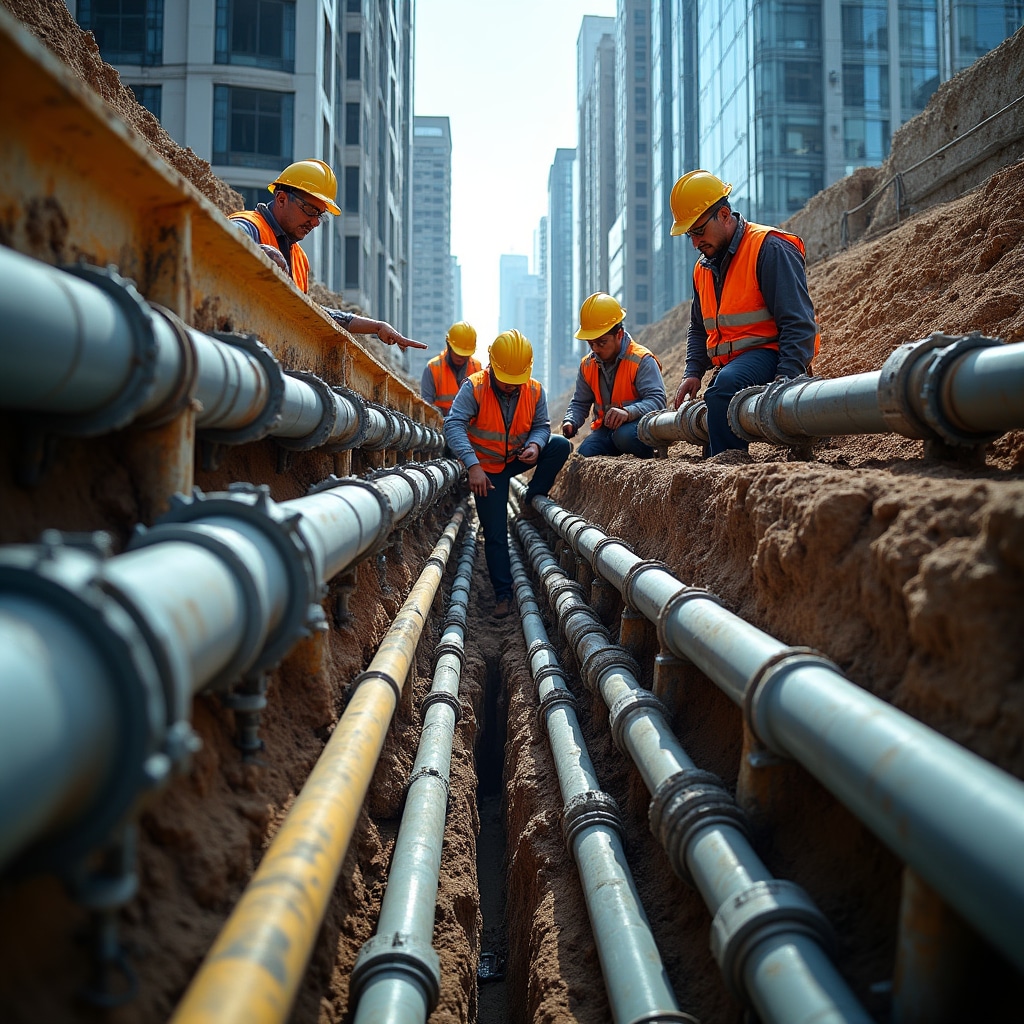
Roads, transit lines, and utility corridors extend across distances. Coordination focuses on sequencing work along the route. Teams work in sections, completing phases before moving forward. The challenge is maintaining progress while managing interfaces between completed and active sections.
Neighborhood renewal occurs within defined boundaries. Multiple activities happen simultaneously in close proximity. Coordination emphasizes spatial deconfliction and minimizing disruption to residents. Work schedules consider community impact, perhaps avoiding certain hours or coordinating noisy activities.
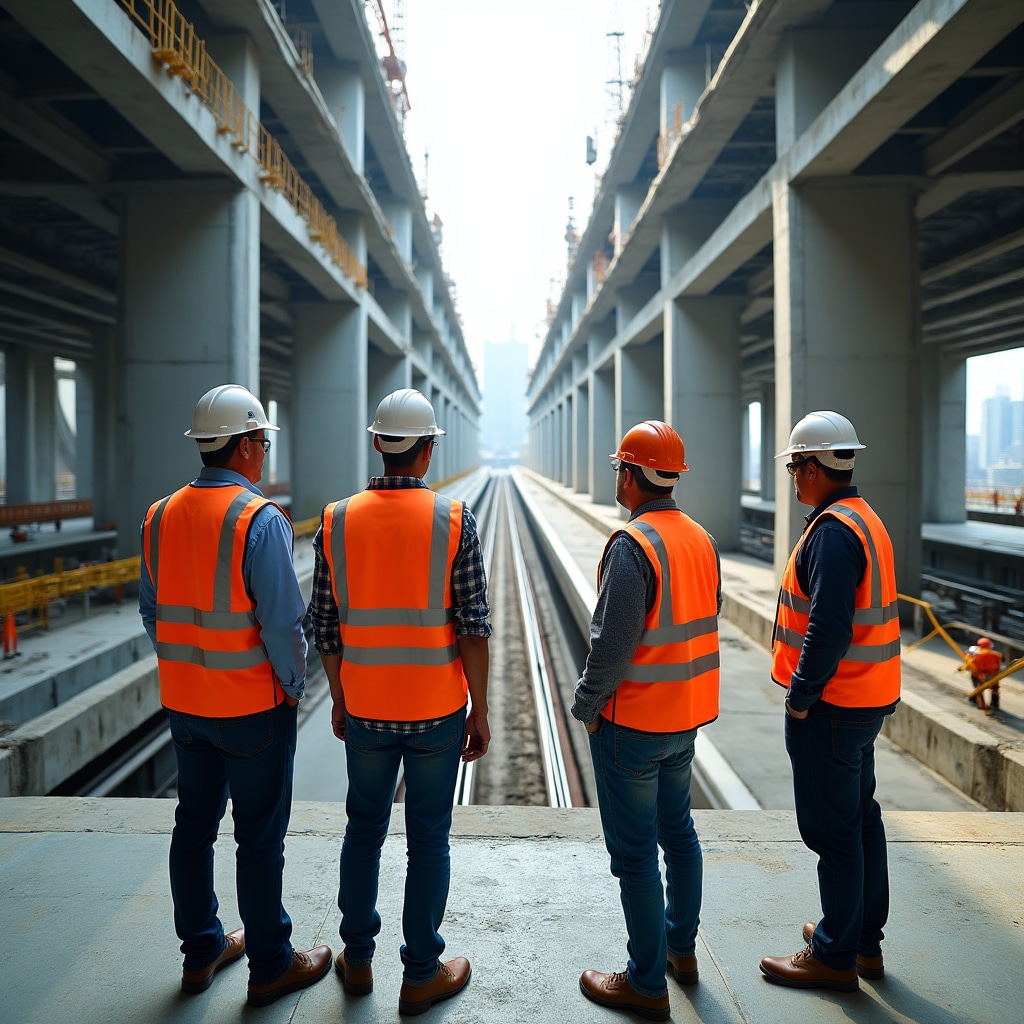
Building construction and renovation projects involve many trades working in the same structure. Coordination sequences interior work so mechanical, electrical, and plumbing contractors don't interfere with each other. Material deliveries are scheduled to avoid congesting limited staging areas.
Crisis situations compress normal timelines. Coordination must happen rapidly, often with incomplete information. The platform enables quick contractor mobilization, real-time status updates, and flexible resource reallocation as situations evolve.
Discover how systematic logistics management could improve outcomes for your urban development initiatives.
Discuss Your Project